

Building Apps That Think Before Users Do
Think about the apps you use every day. Your music app suggests songs you might like, your navigation app predicts traffic before you even start driving, and your shopping app recommends products based on past purchases. These experiences feel almost magical, as if the app knows what you need before you do. In reality, this is the result of thoughtful design combined with data and artificial intelligence. Modern developers are increasingly focused on building apps that anticipate user needs instead of simply reacting to them. This shift toward predictive experiences is transforming how software is designed and how people interact with technology.
Understanding User Behavior
The foundation of predictive apps is understanding how users behave. Every time someone interacts with an app—tapping buttons, searching for items, or navigating menus—they leave behind valuable data. Developers analyze these patterns to identify trends and common actions. Over time, the app learns which features people use most, when they use them, and what they typically do next. This information allows designers to create experiences that align closely with user habits, making apps feel smoother and more intuitive.
The Role of Artificial Intelligence
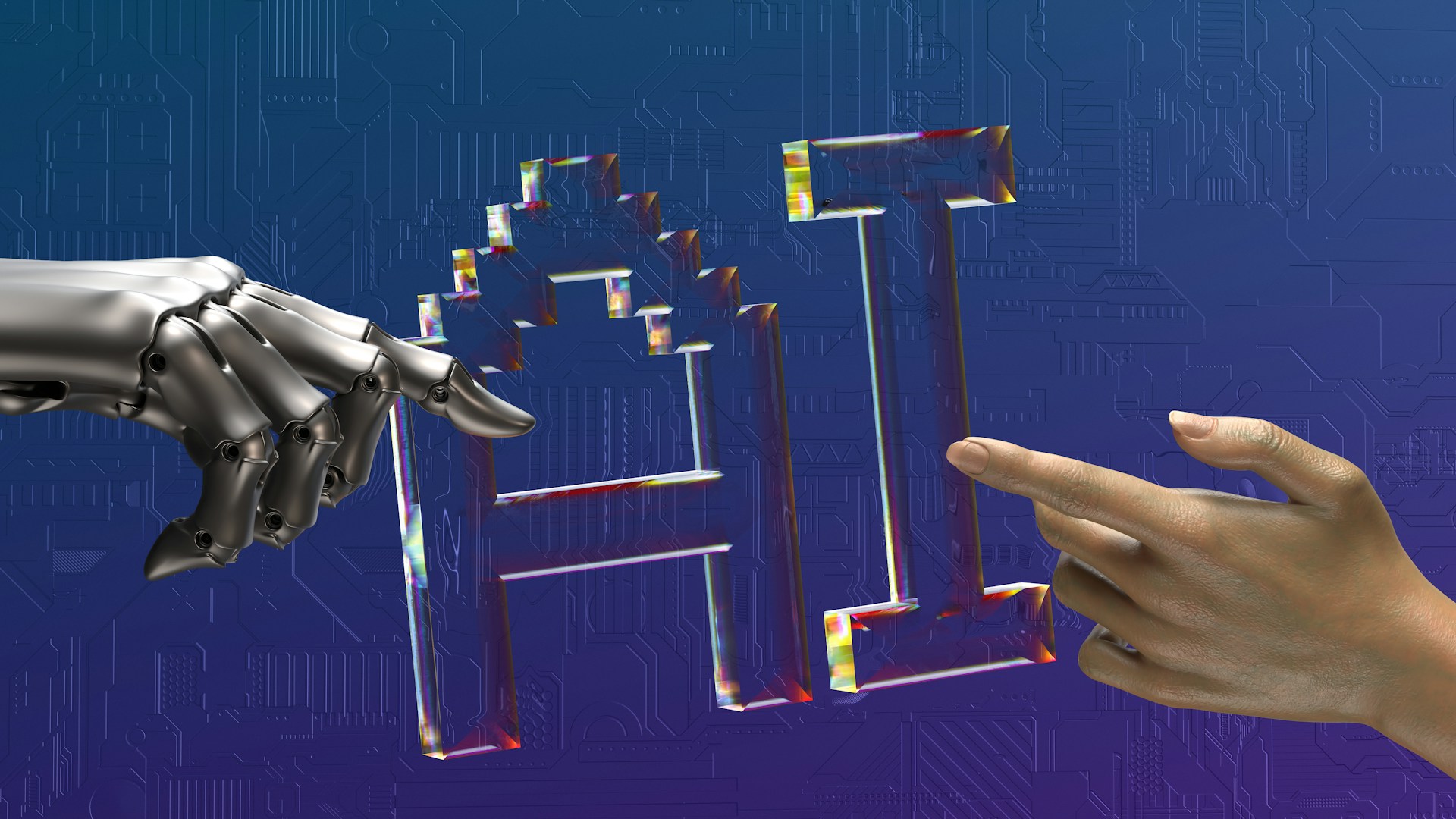
Artificial intelligence plays a major role in helping apps anticipate user needs. Machine learning models can process massive amounts of data and identify patterns that humans might miss. These models help apps predict what users are likely to do next. For example, a streaming service might recommend a new show based on viewing history, or a productivity app might suggest tasks that need attention. AI doesn’t just react to commands—it helps software become proactive, guiding users toward useful actions before they even think to ask.
Designing for Simplicity
Predictive features only work well when they simplify the user experience. If an app bombards users with unnecessary suggestions or complex recommendations, it can quickly become overwhelming. Good design focuses on subtle assistance rather than constant interruption. Smart apps quietly surface helpful options at the right moment. For instance, a travel app might automatically show boarding passes when you arrive at the airport. These thoughtful details make technology feel less like a tool and more like a helpful companion.
Balancing Automation and Control
While predictive apps aim to anticipate needs, users still want to feel in control. One challenge developers face is balancing automation with user choice. Too much automation can feel intrusive or confusing, especially if the app makes incorrect assumptions. Successful apps allow users to adjust settings, customize recommendations, and override automated decisions when necessary. This balance ensures that predictive technology enhances the experience rather than replacing user autonomy.
Privacy and Trust
With great predictive power comes an important responsibility: protecting user data. Since predictive apps rely heavily on personal information and behavioral patterns, privacy becomes a critical concern. Developers must ensure that data is handled securely and transparently. Clear privacy policies, secure storage, and responsible data practices help build trust with users. When people feel confident that their information is safe, they are more likely to embrace the benefits of intelligent, predictive apps.
The future of app design is moving beyond simple interaction toward anticipation. By understanding user behavior, leveraging artificial intelligence, focusing on thoughtful design, and maintaining strong privacy standards, developers can create apps that feel remarkably intuitive. These predictive experiences save time, reduce friction, and make technology more helpful in everyday life. As apps continue to evolve, the most successful ones won’t just respond to users—they’ll think ahead, offering assistance at exactly the right moment.